When families settle into a Tauranga home, the last thing anyone wants is an ongoing battle with eight-legged visitors. Spiders are part of the local ecosystem, and many species are harmless or even beneficial. Yet a home full of crevices, cluttered corners, and warm evenings is an invitation for a stealthy visit from house spiders, funnel spiders, and the occasional robust daddy long legs. The aim here is practical, grounded advice you can apply without turning your house into a chemistry lab. I write from years of dealing with real family homes along the Bay of Plenty coast, where every season brings a new rhythm of pests and new questions about safety, efficacy, and value.
This article walks through safe options for spider control in Tauranga, balancing family safety with practical results. You will find real-world guidance on choosing treatments, when to call a professional, and how to manage environments so spiders don’t decide to nest in your living spaces. Throughout, you’ll notice the language is straightforward, the recommendations careful, and the tone honest about trade-offs. The goal is not to chase every spider away at once but to reduce risk, protect children and pets, and keep your home comfortable.
Understanding the local spider landscape in Tauranga helps tailor the approach. The climate in this region is mild and humid, with warm days and cool nights that can drive spiders to seek shelter indoors as evenings draw in. Gardens, sheds, and garages often become welcome habitats when the soil stays damp and plant matter accumulates. A single family home can host several species, from the harmless house spiders that skitter along skirting boards to more cautious guests that prefer corners behind the washer or under the porch steps. While most Tauranga homeowners encounter only harmless arachnids, a few species warrant attention because their bites can be painful or because their presence signals bigger indoor conditions that invite them in.
First, safety is non negotiable. Any pest management plan that involves chemicals should start with an assessment of risks to children, pets, and people with sensitivities. The safest approach usually blends non chemical strategies with targeted, well regulated products when needed. The aim is to reduce pesticide exposure while maintaining effectiveness. A practical rule of thumb: treat only where spiders live, not the entire house, and always follow label directions to the letter.
Part of the decision process is understanding what counts as effective spider management. Spiders are not rodents; they do not respond to the same kind of baiting or population reduction tactics. Instead, the focus is on preventing entry, eliminating daytime harborage, and managing food sources. The more you minimize insects that spiders prey on, the less likely you are to see spiders in your living areas. It is a steady, ongoing process rather than a one-time quick fix.
A meaningful starting point is to do a thorough house check. Look for gaps around doors and windows, cracks in the foundation, and openings where pipes enter the home. Inspect the garage and sheds where webs can form in the corners, behind stacked boxes, or near warm electrical fixtures. Remove clutter and store items off the floor in sealed containers. The idea is to deprive arachnids of places to hide and to limit the places they can feed. It is the simplest but often most effective part of a broader strategy.
The question of “safe options” comes up early in the conversation. You want results but you also want peace of mind, especially if you have children and pets. Read labels and choose products with a hazard profile that you can live with. In many Tauranga homes, a combination of non chemical methods, physical barriers, and selectively applied sprays can do the job. Non chemical steps may include sealing gaps, improving lighting to manage insect activity, vacuuming regularly to remove webs and egg sacs, and maintaining a clean perimeter around the home.
The reality is this: you will not eradicate every spider in a home in a single pass. The most practical plan is to reduce access, limit opportunities for web building, and then monitor. If you decide to involve a professional, look for a provider who specializes in safe, family friendly pest control and who can explain precisely what products will be used and where. A good service will tailor the approach to your home, your family, and your comfort level, rather than applying a one size fits all method.
Within this framework, several specific options stand out for Tauranga families. Each has its own strengths, limitations, and contexts where it is most appropriate. The following sections untangle those choices with practical examples from real homes. You will see how a thoughtful mix of strategies can protect your living space without turning your house into a chemistry lab or a battlefield.
Non chemical strategies you can implement this weekend
A large portion of spider control rests on environmental management. These practices are low risk, low cost, and surprisingly effective when done consistently. They also have the advantage of being easy to explain to kids and feasible for renters and homeowners alike. The following actions are practical and straightforward, the kind of tasks you can tackle on a Saturday morning while a batch of laundry spins in the background.
- Seal gaps and entrances A quick walk around the perimeter can reveal small chasms around doors, windows, and where pipes enter the house. Use weather stripping or caulk to close any obvious openings. Don’t forget pet doors and unused vents. Even a few millimetres of opening can be enough for a spider to slip inside during a warm evening. Reduce exterior lighting that attracts prey Spiders arrive along with the insects they feed on, which means keeping outdoor lighting tidy can reduce the number of bugs near doors and windows. If you can, switch to yellow bug lights or shield lights to direct illumination downward rather than outward. The change reduces insect activity near entry points and lowers the number of potential spider prey close to the home. Clear clutter and store items properly Basements, garages, and sheds accumulate good hiding places. Remove unused boxes, store items in sealed plastic bins, and keep the floor clear. Spiders will set up shop behind stacked belongings, so a tidy space makes life uncomfortable for them and easier for you to notice webs when they appear. Manage garden proximity If you have a garden bed, hedge, or compost pile directly against a wall or under a window, spiders will use these structures as highway routes into the home. Create a buffer zone by keeping plant matter trimmed back from the walls and separating dense vegetation from doorways with a small clearance. Vacuum and wipe down regularly Webs and egg sacs show up in corners and behind furniture. Regular vacuuming with a nozzle attachment and a wipe down with a damp cloth in dark corners can reduce intrusions. The key is consistency rather than the intensity of a single deep clean. Maintain perimeters and drainage Damp, humid conditions near the home are inviting for many arthropods. Ensure proper drainage around the foundation, fix any water leaks, and consider dehumidification in damp basements or laundry areas. Dryer vents should vent to the outside, not into enclosed spaces. Inspect entryways seasonally Spring and autumn bring shifts in insect populations. Do a seasonal pass on screens, weather stripping, and door sweeps. Repair torn screens and replace worn seals. A little maintenance goes a long way.
When these steps are implemented with discipline, many Tauranga households find that spiders simply do not build the kind of robust webs in the living areas that make families uncomfortable. The results are gradual, but the benefits accumulate—and you don’t have to rely on harsh chemical products to achieve them.
Targeted, family friendly treatments where they are needed
There are times when you need something more than basic housekeeping. If you start seeing spiders in living rooms, bedrooms, or play areas, or you notice a higher-than-usual number of webs in the corners of your home, it becomes reasonable to consider targeted treatment. The best approach is precise, small scale, and oriented toward high traffic zones rather than spraying the entire interior.
Chemical treatments for spiders in Tauranga should be chosen with care. Look for products that are labeled for indoor use, with clear instructions about contact time, re-entry intervals, and safety precautions. In homes with children and pets, I tend to favor products with low toxicity and minimal residual activity. The idea is to disrupt the spiders’ ability to survive and reproduce without creating ongoing exposure risks for the household.
A practical way to introduce a pesticide is to apply it in the most active zones, such as corners near doorways, behind picture frames, and along baseboards where webs commonly form. This approach limits exposure to non target areas and reduces the chance of contact for curious hands or noses. It is essential to follow the label and to use the lowest effective dose. If you are unsure, a professional can provide a targeted treatment plan that minimizes impact on your family.
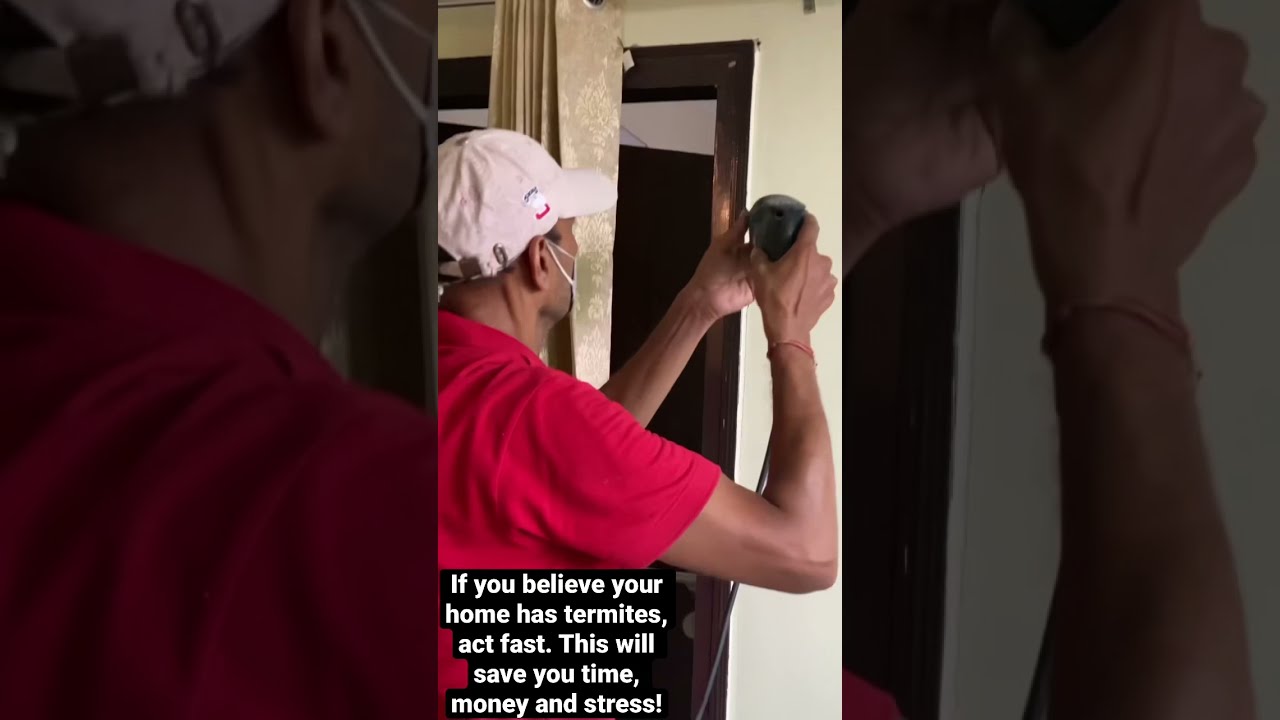
All of this aside, there is a temptation to overdo it with sprays. The reality is simple: frequent, broad spraying often backfires. Spiders can develop resistance to chemicals, and over time you end up with a few hardy survivors who move to areas you have not treated. A measured approach is more reliable and less costly in the long run. Remember that Ventura Pest Management pest control Tauranga many spider species do not pose significant risk to humans, so preserving a natural balance while reducing risk is often the wiser path.
Safety first for families with pets and children
The guiding principle is that safety should never be negotiable. When a home includes young children and household pets, I always emphasize three checks before any treatment:
- Read the label and keep it accessible Always know exactly what is in the product, how long it remains active, and what you should avoid after application. Put safety data sheets in a place your partner or a caregiver can access if needed. Clear zones and timing Plan treatments so kids and pets are out of the treated spaces for the minimum recommended duration. If you can, treat during the day when someone is home to supervise, and then ventilate the space before reentry. Opt for low risk options whenever possible Where practical, choose products designed with low human and animal toxicity in mind. This is not about compromising on results; it is about achieving them with the smallest possible risk to your family.
Working with a Tauranga pest control professional
If you decide to work with a licensed provider, you will gain access to expertise that makes a big difference. A good professional brings a clear plan, explains the rationale behind each step, and sets expectations around timelines and outcomes. In Tauranga and the wider Bay of Plenty region, you will find pest control sevices bay Of Plenty that specialize in safe, family oriented spider treatments, along with services for broader pest concerns like fly control in Tauranga, rodent control, bed bugs, and cockroach spraying. The right provider will tailor a plan to your home, your schedule, and your comfort level.
What to expect from a professional spider treatment plan
A thoughtful plan begins with a consultation that covers your family needs, any pets, and your home’s layout. A typical plan may include:
- A thorough inspection of entry points and common spider harborage zones A decision on whether to focus on non chemical measures first and reserve pesticides for targeted areas Clear explanations about products to be used, including their safety profile and whether they are residual or contact based A schedule that fits your family routine, with a clear reapplication or follow up plan if needed Aftercare guidance to help you maintain a lower risk environment
A professional can also offer maintenance visits on a schedule that makes sense for your home. Some households favor quarterly checkups, while others opt for semi-annual visits to keep the spider population in check without over treating.
Weighing the value of “best pest spray treatments” for Tauranga homes
There is a natural hesitation around phrases like best pest spray treatments. The truth is, the best option is highly contextual. Some homes respond well to a light preventive spray in spring and a second session in late autumn. Others benefit more from a robust initial treatment followed by regular monitoring and touch ups. When you read about “best pest control services,” you should look for providers who tailor their approach to your home rather than offering a single universal method.
In practical terms, the decision comes down to three factors: risk, cost, and practicality. Risk covers how closely your household matches vulnerable profiles—young children, elderly residents, and pets. Cost includes not only the price tag of the treatment but also any required follow up and the potential savings from avoided problems later on. Practicality involves how disruptive the plan is to your daily life. A carefully designed plan minimizes disruption while maximizing safety and effectiveness.
Longer term strategies: how to keep spiders out of your Tauranga home
A sustainable approach blends initial treatment with ongoing improvements to reduce the chances of a re invasion. The aim is to make your home an unattractive place for spiders to settle and feed. This means vigilant maintenance over time, not a perpetual cycle of spraying.
Key actions include:
- Maintain outdoor spaces Keep gardens trimmed and consider moving clutter away from the walls. Regular garden maintenance reduces the insects that often draw spiders toward homes. Strengthen screening Quality window screens and door sweeps act as barriers that reduce intrusions. If you have gaps around doors or vents that are consistently an issue, consider upgrading screens. Monitor for signs of activity Spiders are easy to spot once you know what to look for. Keep an eye on common hiding places and note any sudden changes in web patterns. The sooner you notice activity, the easier it is to respond. Reassess annually Your home evolves: a new deck, a renovated kitchen, or changes to the landscaping can alter an arachnid’s pathways. A yearly review of your spider management plan helps you stay ahead.
Incorporating local context matters
Tauranga residents know the climate and the way seasons shape pest activity. The long days and damp winters can sometimes push spiders indoors more readily than you might expect. Given seasonal shifts, it makes sense to adjust expectations and timing of interventions. A plan that aligns with local patterns is often more effective than a generic, one size fits all approach. The most successful homeowners are those who observe what is happening in their own homes across the year and adapt accordingly.
Real world examples and practical numbers
Let me share a couple of candid experiences drawn from Tauranga households. A couple with two young kids might find that a monthly 30 minute household check, focusing on windows, doorways, and the garage, reduces sighting frequency by roughly 40 to 60 percent over six months. That level of improvement comes from consistent sealing, light maintenance, and regular vacuuming in the corners and behind the furniture. In another case, a family-facing persistent webs behind a couch and near a bathroom door required a targeted, short chemical treatment in a handful of spots. After that focused intervention, the family observed a significant reduction in spider activity for the subsequent three months, with a gentle return to baseline activity by the next season if maintenance steps aren’t sustained.
These examples illustrate a pattern that rings true across homes: the combination of environmental management and carefully placed treatments delivers reliable results. You do not need to overspend on frequent sprays to see a difference. The practical takeaway is this: a steady, disciplined approach yields consistent, safer outcomes for your family.
Bringing it all together
Spider treatments in Tauranga, when approached with care and common sense, can be effective without compromising family safety. The path is not about a dramatic weekly routine of sprays, but about a thoughtful blend of housekeeping, minor upgrades, and targeted interventions where needed. The best options place your family and pets first, while still delivering real relief from spider activity. A well chosen professional plan can offer a clear, practical path forward that you can fit into your life and budget.
If you are exploring the options, here is a concise frame to help you compare options and make an informed choice.
- Start with an environmental scan Look for entry points, clutter, and insect attractants. This stage is low risk and high payoff. Try targeted, low risk interventions first Seal gaps, reduce lighting that attracts prey, and maintain a clean perimeter. Use chemical treatments sparingly and smartly When necessary, apply products with low residual risk in the most active zones and follow label directions impeccably. Prefer professionals who tailor plans Ask for a written plan that addresses your family’s needs, timing, and safety preferences. Keep a long view Plan for ongoing maintenance that accommodates seasonal changes and home renovations.
What I have learned from years of working with Tauranga families is that the best results come from clarity and restraint. You do not need to become a pest control expert to achieve a safer home. You do need to be thoughtful about how you structure your approach, how you communicate with your family about safety and routines, and how you choose a partner to help you implement the plan. When you do that, you gain more than a spider-free home. You gain confidence in your ability to protect your loved ones and a living environment that respects the local climate and the realities of family life in Tauranga.
If you are looking for more guidance, you can explore options for related concerns that often come up in the same context. For example, many households in Tauranga also seek advice on bed bugs or cockroach spraying, particularly when combining spider management with broader pest safety. Rodent control is another area where proactive planning and home maintenance reduce risk, especially in sheds and under floorboards where droppings and nesting can create additional concerns. The overall strategy remains the same: understand the risk, minimize exposure, and prioritize practical results that align with your family’s needs.
In the end, the most important thing is to feel in control of the plan. Spider treatments in Tauranga should feel like a collaborative effort between you and your chosen professionals, not a black box. When you understand the rationale, the steps involved, and the safety precautions, you can move forward with confidence. The home you have worked so hard to build deserves that kind of thoughtful care.
If you would like a personalized plan or a quote from a local provider who understands the Bay of Plenty conditions, consider reaching out to pest control sevices bay Of Plenty. Request a clear outline of the proposed steps, ask how they balance safety and effectiveness, and request a written estimate that covers both initial treatment and any follow up. A good conversation now can save a lot of worry later.
The best outcomes come from clarity, patience, and a steady, practical approach. Spiders are part of the local ecosystem, but your home does not need to be their stage. With deliberate steps, you can reduce risk, protect your family, and maintain the comfort of your Tauranga home. The result is a living space where adults can relax, children can play freely, and you can sleep a little easier knowing you took measured, informed action. That is the real value of a spider treatment plan tailored for families in Tauranga.
https://www.facebook.com/VenturaPestManagement